 Site Search


Antiviral Resistance Detection in Herpes Viruses
-
-
Credits:

- CME: 0.75
- P.A.C.E.®: 0.5
-
Course Difficulty: Advanced
-
Video Length:35m, 20s
-
Downloads:
-


Drug resistant CMV and HSV infections are associated with significant morbidly and primarily affect immunocompromised patients. Recent advances in the clinical laboratory include the use of next generation sequencing platforms for the detection of antiviral drug resistance mutations. This talk reviews the current methods for antiviral resistance detection in Herpes viruses and appraises the benefits and limitations of each.
Originally published on August 5, 2025
Lecture Presenter
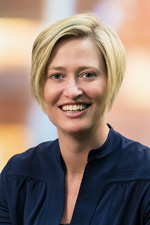 | Kimberly E. Hanson, MD, MHS Professor, Internal Medicine; Adjunct Professor, Pathology |
Dr. Kimberly E. Hanson is a medical director of Mycology at ARUP Laboratories. She is also the head of Immunocompromised Host Infectious Diseases Services at the University Hospital and Huntsman Cancer Center and a professor of Internal Medicine and adjunct professor of Pathology at the University of Utah School of Medicine. Dr. Hanson received her medical degree from Northwestern University. She served as the chief resident during her internal medicine residency at Dartmouth Hitchcock Medical Center. Following residency, she completed an infectious diseases fellowship, master’s degree in health sciences, and medical microbiology fellowship at Duke University Medical Center. Dr. Hanson is certified in medical microbiology by the American Board of Pathology and infectious disease by the American Board of Internal Medicine. Her research interests include the development and validation of novel cost-effective diagnostic tests for opportunistic infections.
Objectives
After this presentation, participants will be able to:
- Describe current methods for antiviral resistance testing in the clinical laboratory with a focus on CMV and HSV
- Appraise the benefits and limitations of available tests
- Discuss potential impact of next generation sequencing-based approaches
Sponsored by:
Spencer Fox Eccles School of Medicine at the University of Utah, Department of Pathology,
and ARUP Laboratories